
Losing weight and maintaining it are possible only when the body and mind are in balance
Usually, obesity is not defined as a disease by itself. However, in many cases, obesity becomes the basis for a great number of severe chronic pathologies, which can manifest later in life, such as diabetes, hypertension, hyperlipidemia, and further on even cancer, heart disease and stroke. Thus, obesity and its subsequent diseases are considered one of the major causes of untimely death. Obesity is also a significant hindrance to one’s quality of life. In many cases it also involves low self-esteem, depression and other emotional problems.
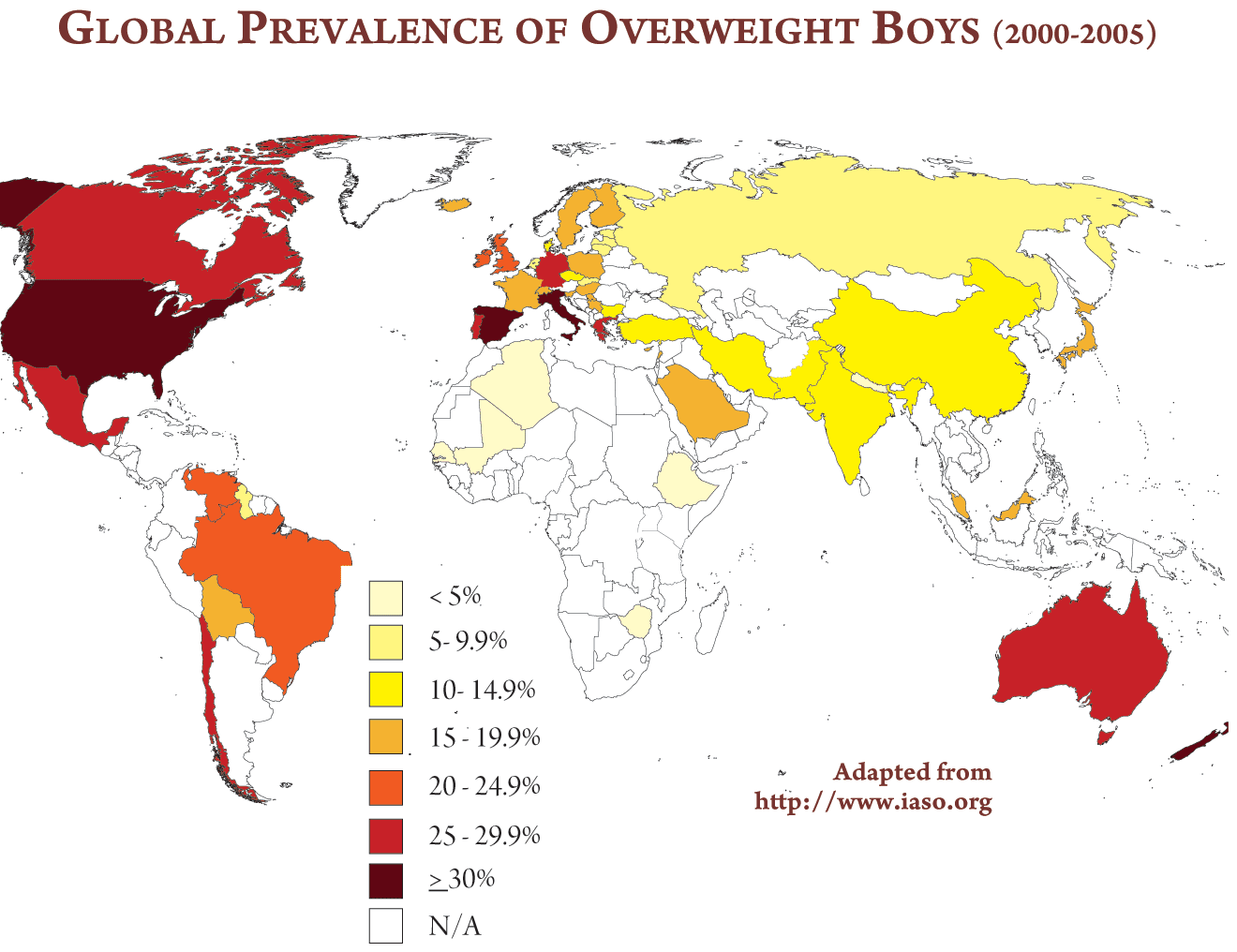
Obesity is one of the most prevalent phenomena worldwide and the numbers continue to accelerate. It is no longer a unique problem of the affluent West, as can be seen in the statistics. In modern times, the problem of obesity is crossing geographical and economical borders, with soaring numbers even among the poor and those who suffer from malnutrition.
Obesity is the result of an impaired ability to digest, absorb and eliminate waste. This refers not only to food, but to any kind of intake, both physical, conceptual and emotional. Examples of various intakes, besides food, include: pills with overweight as their side effect, information hard to digest, the culture we “consume”, engaging in extreme sports, our emotional attachments to friends, family and colleges, life circumstances saturated with stress and struggles, unsuited or improper leisure time occupations, shortage of sleep both in quality and quantity, etc. All of these have a direct impact on the quality of our metabolism. To stay in balance, the body-mind must be able to eliminate the excess at a proper pace. When the body is unable to efficiently digest, absorb and eliminate waste, the body starts accumulating the excess within and the process of obesity starts.
Therefore, the issue of obesity is not just about the quantity of food consumed. The main cause for obesity is a decline and slowdown in the metabolism, which in turn impairs the proper function of the digestive system. By that, a vicious circle is formed of nutrient deficiency creating malnutrition, which in turn raises craving to sweets as a quick source of glucose, thereby increasing obesity, with the process continuously repeating itself.
In order to treat obesity efficiently, there needs to be first and foremost a meticulous and detailed diagnosis, examining not only what is being consumed, but also all other possible causes. Only such a diagnosis can reveal each patient’s individual metabolic crisis. Common examples of metabolic crisis leading to overweight and obesity are these: malabsorption causing nutrient deficiencies and excessive consumption of sugars and carbs, hypothyroidism, excess secretion of stress hormones from the adrenal glands (mainly adrenaline and cortisol) due to chronic high stress, disorders in liver function, smoking, excessive use of drugs and alcohol and more. It is obvious also that anyone suffering from obesity has some sort of an eating disorder, whether they are aware of it, or not. There cannot be a state of obesity when the person exercises right nutrition and lifestyle.
Since 1975 worldwide obesity has increased nearly
X3.
hildren under the age of 5 were overweight or obese in 2020.
39million.
From 1999 –2000 through 2017 –2018, US obesity prevalence increased from 30.5% to
42.4%.
Between 2000-2019 the number of overweight children under 5 in Africa has increased by nearly
24%.
.
0.5of the children under 5 who were overweight or obese in 2019 lived in Asia.
In many cases, obesity is not an accumulation of fat, but rather fluid retention in the stomach and limbs. In those cases, a weakness of the kidney and urinary system is involved causing malfunction in clearing away excess fluids from the body.
The diagnosis process must properly identify the correct causes, so that the treatment would be fruitful. A proper and precise diagnosis resembles a road map leading to the relevant treatment for each obesity case. As body and mind are one unit, then in most cases, the patient also gains at least some awareness about the emotional causes for the metabolic failure.
The medical establishment usually refers to obesity as a “hereditary” condition. However, the nature of the problem and its causes as discussed above, refute the hereditary theory. The fact that obesity can be easily resolved by restoring metabolic balance is also contrary to the notion that obesity is hereditary. Rather, obesity is the result of one’s wrong lifestyle, choices and negative self- beliefs.
No person suffers from obesity just because his/her parents were obese too. That person grew up in a home, where the family was relying heavily on take-aways, TV dinners and all kinds of sweets, chocolates and other snacks, sitting in front of the TV for hours on end, not engaging in sports and constantly quarreling and yelling at each other. Anyone growing up in such a home would probably embrace this kind of lifestyle and these negative habits too. These faulty lifestyle and habits, which caused the parents to be obese, would eventually cause the children’s obesity too.
Furthermore, the theory that obesity is hereditary by nature is extremely misleading, as it indicates that obesity is a predetermined fate, unchangeable and unavoidable. None of it is true.
Obesity has become the stepping stone to a whole industry of diets and changing nutrition trends of all kinds. PRAÏUM MEDICAL SOLUTIONS innovation in the treatment of obesity is that temporary diets are NOT the way to resolve the issue. Firstly, like everything else in the field of medicine, there is no such thing as “one size fits all”. It is proven by the known fact that any trendy temporary diet might work for some, but not for others. When it comes to the patient’s diet it must suit the individual’s metabolism.

To truly heal the obesity disorder, the main focus should be the metabolic failures causing it (and causing other resultant disorders). Properly addressing those metabolic failures would bring about many health benefits, including gradually but consistently losing excess weight even without some special diet and even in cases where obesity was not the main health issue to begin with. With the rehabilitation of bodily systems, the body is not compelled to resort to the survival mechanism of hoarding and storing. This approach is very different from all the market methods to “fight weight”. If the exact metabolic failures causing obesity are not addressed, then any temporary achievement would fail in the long run, with the obese person putting on back again all that was lost and usually more.
Loosing excess weight and maintaining normal weight are possible only when the body is balanced. By nature, the body itself down to its cellular level derives no benefit from excess fat and fluids, and these are nothing but a burden. Gaining weight has been a metabolic reaction to inner disorders and pathologies, in order for the body to survive and maintain its crucial metabolic activity. By nature, the body has always a constant inner drive to return to its natural state of balance and harmony. The role of the physician is to help the body to succeed in doing so. This medical help can become efficient only when it is based on a thorough diagnosis in each and every case as to the specific pathological path. A precise and meticulous personal analysis will also enable the physician to properly guide the patient in the right lifestyle, nutrition, physical exercise and daily conduct to support the healing process and maintain the achievement of the treatment.