
The main three functions of a healthy digestive tract are digestion, absorption and elimination. In the vast majority of cases, digestive system pathologies are an inflammation aggravated by inadequate medical care.
In most cases, the conventional common treatment of such inflammatory diseases of the digestive tract are based on a long-term intake of antibiotics and steroids. This results in a severe damage to the entire digestive tract, as well as severe damage to other bodily systems supporting the participating in the various functions of the digestive system. Therefore, any temporary relief provided by these kinds of medicines comes at a heavy cost of a long-term over whole deterioration and an aggravation of the original pathology as well.
Digestive system pathologies are very common. The medical establishment classifies them into many various kinds related to the portion of the gut those diseases manifest in. However, the entire digestive system / digestive tract is a one complete system. It does not operate in the same fragmented way in which its diseases are being classified. Starting from the upper labium (the mouth lips) down to the lower labium (the rectum), the digestive tract is a complete system, where every part of it directly influences the function of its other parts. An inflammation found in any of the digestive tract portions actually implies the existence of an inflammation, in different degrees, throughout the digestive tract, and not only in the diagnosed diseased portion of it.
In 2019, the Prevalence of diagnosed gastrointestinal conditions has been
22%in the USA and 21% in the EU.
There is an estimated
26%reduction in daily life productivity due to gastrointestinal conditions all across Europe
The costs for employers in Europe due to the reduction in productivity caused by gastrointestinal conditions is estimated at
3BillionEuro
Research identified
6.8millioncases of IBD (Inflammatory Bowel diseases) globally in 2017.
Despite their increase in prevalence
.many digestive diseases are still poorly understood and attract little research attention.
In order for treatment to be effective with long-term results, it must address the entire digestive tract, even the parts where the inflammation has not yet manifested. Whether the disease was diagnosed in the stomach, the small intestines or the large intestines, the treatment must include all these three sections. The reason for that is that while the inflammation has been diagnosed in just one area, it could be the result of a failure in another part of the digestive tract. Moreover, this diagnosed digestive disease might even be the result of a failure in other bodily systems altogether. Hormonal imbalance, malfunction of the hepatic system, thyroid malfunction, blood deficiency, improper blood circulation, etc., can all have a major influence on the digestive tract function. For example: chronic constipation can be the result of an out of synced action of the pelvic muscles relaxation and contraction during defecation. Another common example is stagnation of the liver, which often causes a deficiency in bile secretion, thereby, hindering the digestion of lipids.
The conventional classification does not differentiate between various stages of any digestive tract disease. Therefore, when applying treatment, the conventional classification does not take into account the severity or the extent of the damage to the particular diagnosed area of pathology in the digestive tract. The conventional treatment is the same, regardless of whether the pathology manifested is mild or severe. For example: peptic ulcer would be classified and treated the same, whether it is a minor inflammation in a small area of the stomach lining or an advanced bleeding ulcer with harsh symptoms – both of these cases would be classified as “peptic ulcer” and treated with the same chemical pills. Another common example is Crohn’s disease: in one case it could be in its initial stages, while another case could have advanced up to a bowel resection. Both of these cases would be classified as “Crohn’s disease” and treated the same.
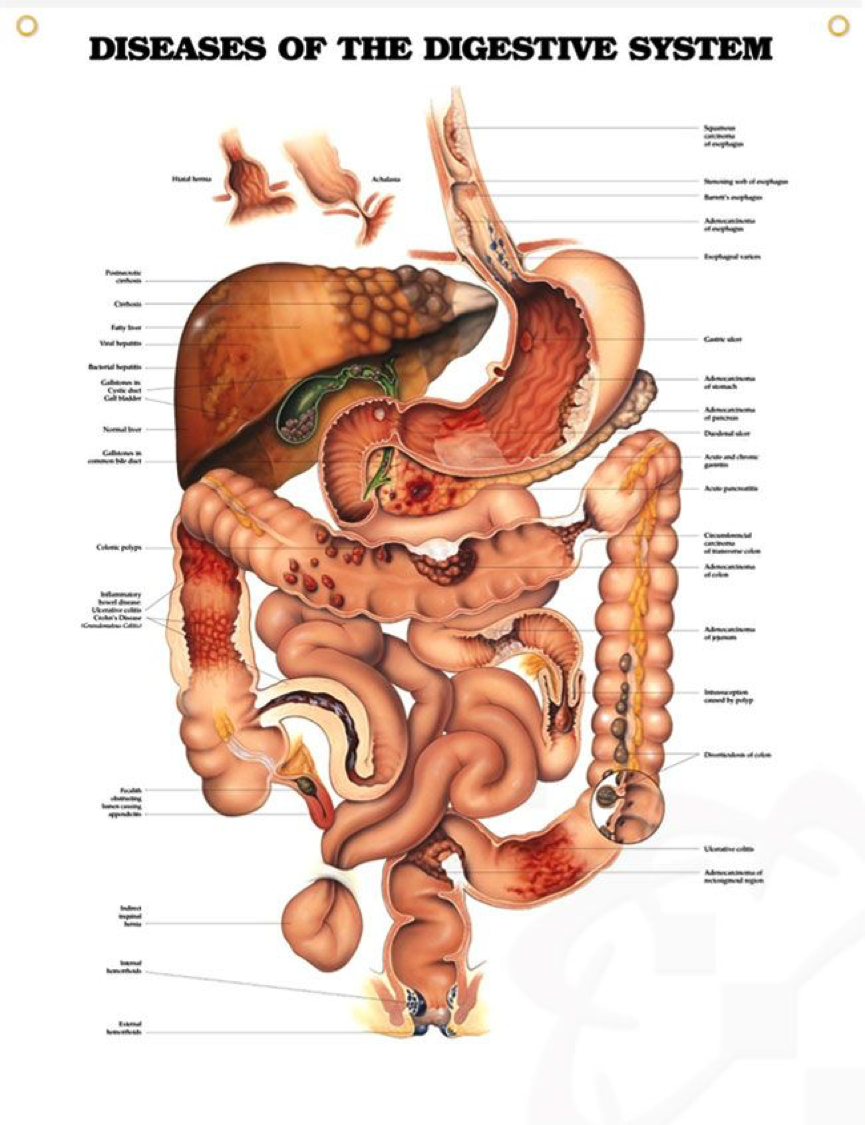
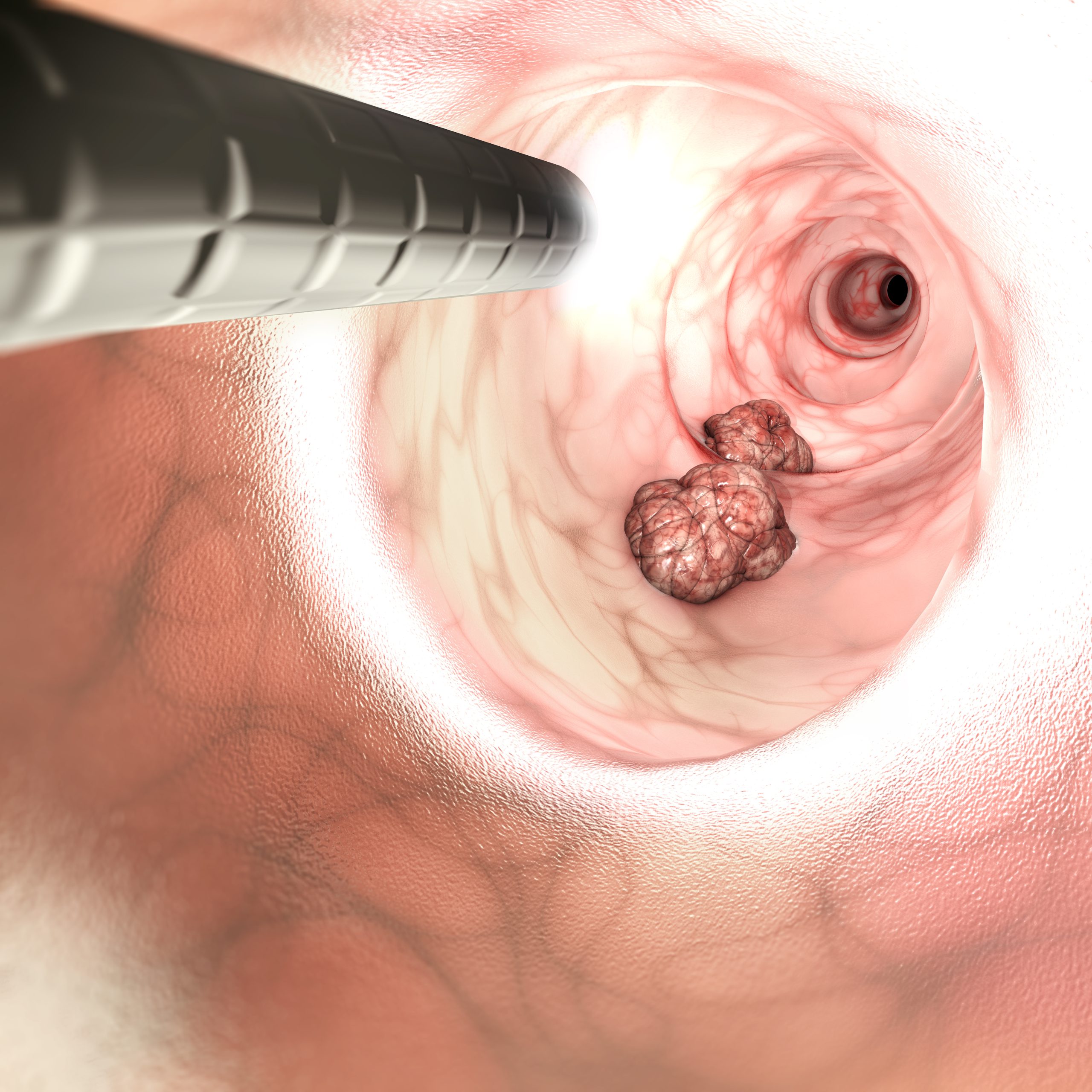
For a successful treatment, there needs to be first a differential diagnosis in each and every case, regardless of other cases diagnosed in the same category by the conventional medicine. There could be hundreds of cases, all diagnosed as “Crohn’s”, but each one of them has a different pathological path and a different manifestation in terms of the inflammation site, the severity of the damage and the root causes for the inflammation. Furthermore, each and every case falling under the same convention category differs from all the other cases in its personal external and internal conditions, relating to the extent of the possible recovery and recovery speed. The lack of such a differential diagnosis, treating all cases as same, result in a failure to cure most chronic digestive tract diseases.
The usual uniform conventional treatment does not take into account any of the variants of each case, as demonstrated above. Therefore, the conventional medical action is basically the same: various chemical stimulants, creating a mere illusion of improvement. As an example, let’s take a seemingly “simple” condition such as chronic constipation or chronic diarrhea. In both cases, the conventional treatment would include mostly chemicals stimulating the intestine. In chronic constipation, the chemical mostly used would be Bisacodyl (under brand names, such as Dulcolax, Correctol, Laxadin, etc.), which stimulates the gut in order to intensify the peristaltic movement. In cases of chronic diarrhea, the chemical mostly used would be Loperamide (under brand names, such as Imodium, Anti-Diarrheal, etc.) causing certain receptors in the gut to slow down the function of the gut, thereby stopping the diarrhea.
None of the various chemicals (as in the examples above) addresses any of the root causes for the chronic conditions and diseases. They simply mechanically interfere with the natural function of the gut to induce a certain reaction. In the short term, this kind of treatment might provide some sort of temporary relief, but in the long run it would become less and less effective, deepening the pathology and deterioration the health of the digestive tract, keeping any solution further away.